In 2020, I joined the program in Digital Humanities at UCLA. At that time, my decision was largely pragmatic. Amid the pandemic and widespread hiring freezes, I felt the need to diversify my skill set to adapt to the uncertain job market. Pursuing the Graduate Certificate in Digital Humanities initially seemed like a practical move, but it turned out to profoundly shape my career path, redirecting my focus from theater to educational technology.
My early understanding of digital humanities framed it as a bridge between the digital and the humanities, embodying scholarly work through mapping, visualization, and text analysis. This perspective informed my project, “Performing Gender,” which combined archival research from my dissertation with digital tools. Focused on opera history, gender performance, and erotic culture, the project showcased a collection of over 200 tabloid articles from the 1920s related to the legendary Peking opera actress Meng Xiaodong (1908-1977). By building a dataset and applying data cleaning and visualization techniques, I created a story map to make this historical material accessible and engaging for a wider audience.
However, over time, my perspective on digital humanities evolved. I came to see that the digital and the humanities need not be mutually exclusive but can be fully integrated. Humanities can be digital, and the digital can be deeply humanistic. This realization inspired my project “Affective Experiences,” a collaboration with my colleague Brandon Keith. Together, we investigated the history and architecture of the Tower Theater and Los Angeles Theater in downtown Los Angeles. Unlike my earlier work, this project was conceived as a comprehensive scholarly endeavor that could exist only in digital form. Digital tools were not merely supplementary but fundamental to this scholarship, reimagining how cultural and historical materials are presented and analyzed. The annotated blueprints and 3D models of the theaters exemplified the transformative potential of digital humanities, while the network analysis created with Python highlighted the seamless integration of digital tools with humanistic inquiry.
I consider the above projects as representations of scholarly work. However, as an instructional designer and educational technologist, I am particularly passionate about the integration of digital humanities with online pedagogy. With the increasing prevalence of online learning programs, pedagogy must evolve to adapt to changes in the educational landscape. Digital humanities not only expand the scope of scholarship but also enhance the design of engaging and innovative courses. I look forward to exploring more about this area in my future projects.
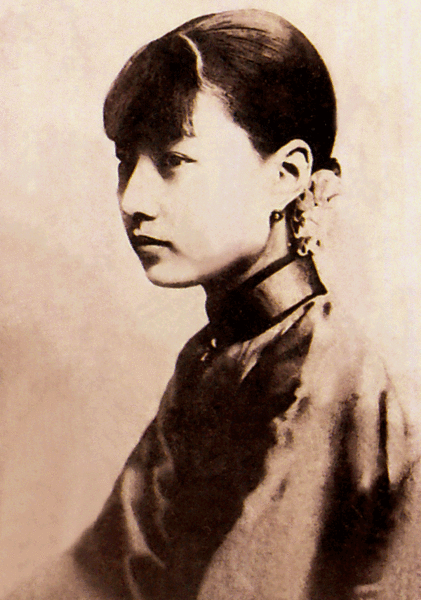
Performing Gender:
Peking Opera Actress Meng Xiaodong and Tabloid Publication during the 1920s
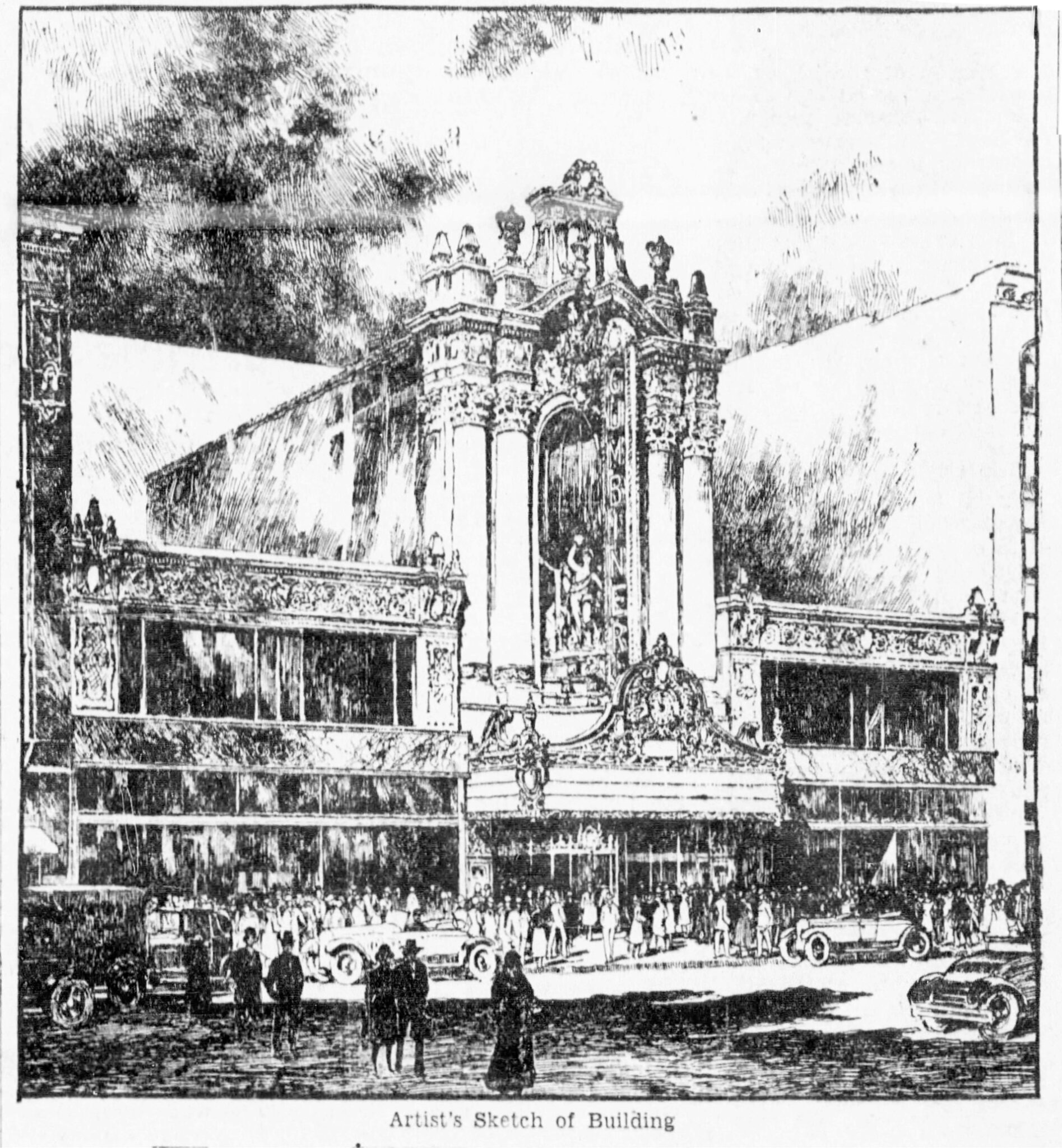
Affective Experiences: Tower Theater and Los Angeles Theater at Broadway, Downtown LA
